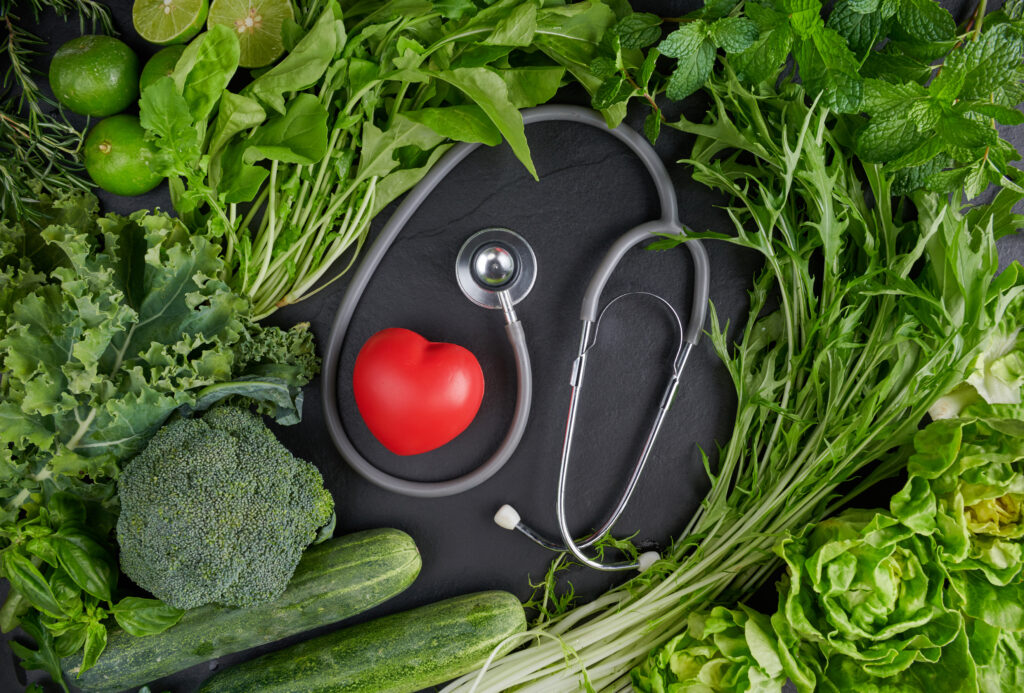
Heart disease is still the leading cause of death in the United States for all people. American Heart Association statistics indicate that about 48% of Americans older than age 20 have cardiovascular disease. This includes coronary heart disease (the most common type of cardiovascular disease), heart failure, stroke, and hypertension.
While we can’t control all the risk factors for heart disease, we can make a difference in two important areas: the way we eat and our level of physical activity. We’ve covered the top recommendations for heart-healthy eating in the past. Our coverage is aligned with current American Heart Association recommendations for a healthy diet and lifestyle. Of course, knowing the recommendations and actually following them in your daily life are two different things. So here are some of my top strategies to help make heart-healthy eating a reality in your life.
Determine Your Dietary Priorities
Focusing on healthy eating efforts that will make the most difference just makes sense—it’s being strategic. Trying to do everything all at once (aka a complete diet overhaul) is usually overwhelming, spreads your efforts too thin, and doesn’t “move the needle” much on anything. Instead, take a look at your overall diet and see which areas need the most work. Then pick one or two specific swaps or changes and concentrate on those.
Often the biggest impact is made by improving the food choices you eat daily versus those you have just occasionally. For example, let’s say you have cereal and whole milk for breakfast every day. Maybe you focus on making the switch from whole milk to skim milk in a step-wise fashion, little by little. Or perhaps you eat red meat every day at lunch and dinner. You might decide to swap a plant-based food into one meal as a first step on the journey toward a more healthful diet.
Choose Heart-Healthy Foods the Easy Way
Selecting foods that fit into your heart-smart eating plan can be daunting, especially if you’re not in the habit of reading food labels. There’s a lot to learn from ingredient statements and the Nutrition Facts labels on food packages, but if you don’t have time to read and compare products in every aisle, start using Guiding Stars.
The Guiding Stars program is based on an ongoing review of current nutritional recommendations and scientific consensus, which is translated into a system that makes it easy to shop for the best foods and beverages for your health priorities. The Guiding Stars algorithms are the “formulas” we use to rate products, determine point values, and assign stars. These algorithms are in line with eating plans such as the DASH diet, which supports cardiovascular health.
Choosing foods with Guiding Stars is an efficient and effective way to fill your cart with more heart-healthy food. For example, eating foods that are low in saturated fat is a heart-smart diet move, and the algorithms debit points for saturated fats. It’s the same for other ingredients or food characteristics that negatively impact cardiovascular health—like trans fats, added sodium, and sugar. On the flip side, Guiding Stars awards more points—and more stars—to foods that have heart-healthy attributes or ingredients. These include foods with more fiber, whole grains, and omega-3 fats. By choosing foods that earn stars, you know you’re choosing nutritious options.
Simplify Your Cooking
You probably know that deep-fat frying isn’t recommended if you want to keep your ticker in top shape. But what are the best ways to prepare heart-healthy meals? Try cooking methods that don’t rely on sauces, heavy frying, batter/coatings, and a lot of fuss. Here are the suggestions:
- Steam
- Sauté
- Bake
- Poach
- Roast
- Grill
- Broil
- Stir-fry
You see the idea: keep it simple and let the quality of the ingredients shine on their own. Tasty food doesn’t have to involve a lot of dishes, complicated recipes, or unusual ingredients. When it comes to good food, most chefs will tell you, simpler is better. For added flavor, rely on heart-smart ingredients such as:
- A splash of vinegar or squeeze of lemon or lime
- Fresh or dried herbs
- Dried chiles or fresh peppers
- Citrus zest
- No-added-salt or low-salt seasoning blends
- Pungent vegetables like onions, shallots, and garlic
- Reduced-sodium and low-sodium broths and stocks
Finally, once you find an appropriate recipe, try to find a way to batch-cook, meal-prep, or otherwise make cooking easier. Anything you can do to simplify your healthy way of eating will make good heart health easier to achieve.