Food and sleep have a mutually beneficial relationship. When you eat better, generally you’ll sleep better too. Happily, the opposite is also true: enough good-quality sleep supports wellness and the ability to make smart nutrition choices that support your health. I’ve covered the link between sleep and eating habits previously. But maybe you’re looking for guidance on bedtime snacks (yes or no, and what to eat or avoid). If so, this is the post for you—and let’s start by talking about timing.
How Late Is Too Late to Eat?
A “bedtime snack” can be appealing, but if you’re an adult, eating too close to bedtime can actually work against you. A recent scientific study surveyed more than 200,000 U.S. residents about eating within an hour of bedtime. It found that those who did were nearly twice as likely to experience a pronounced period of wakefulness after initially falling asleep. You know, that awful feeling of being wide awake at 3 am and unable to get back to sleep. These findings support previous study results showing a correlation between later meal times and diminished quality of sleep. Hence, the further away from bedtime you eat, the better your sleep quality will be overall.
There is no hard and fast rule about when to stop eating for the day. However, experts recommend finishing your evening meal about three to four hours prior to bedtime. That way you’ve had time to digest a good portion of it and there’s less chance of reflux (heartburn). That said, you may feel truly hungry at bedtime and think you won’t be able to settle down. In that case, having a little snack to tide you over until morning makes sense.
How Good Sleep Supports Good Nutrition
Seven to nine hours of quality sleep per night is recommended for adults ages 18-60. Average sleep duration in the U.S., however, is less than seven hours per night, and that’s not doing our health or nutritional status any favors. Studies consistently demonstrate that short sleep duration is a significant risk factor for weight gain and obesity. Sleep-deprived people are prone to unhealthy behaviors when confronted with treat-type foods versus healthy foods. These include increased levels of hunger hormones and a greater activation of reward responses in the brain. Here are just some of the less nutritious eating habits associated with a lack of sleep:
- Higher saturated fat intake
- Higher caloric intake
- Increased snacks and sweets
- Increased nighttime eating
- Eating more fast food
- Lower fiber intake
- Lower fruit and vegetable consumption
Foods to Help You Sleep
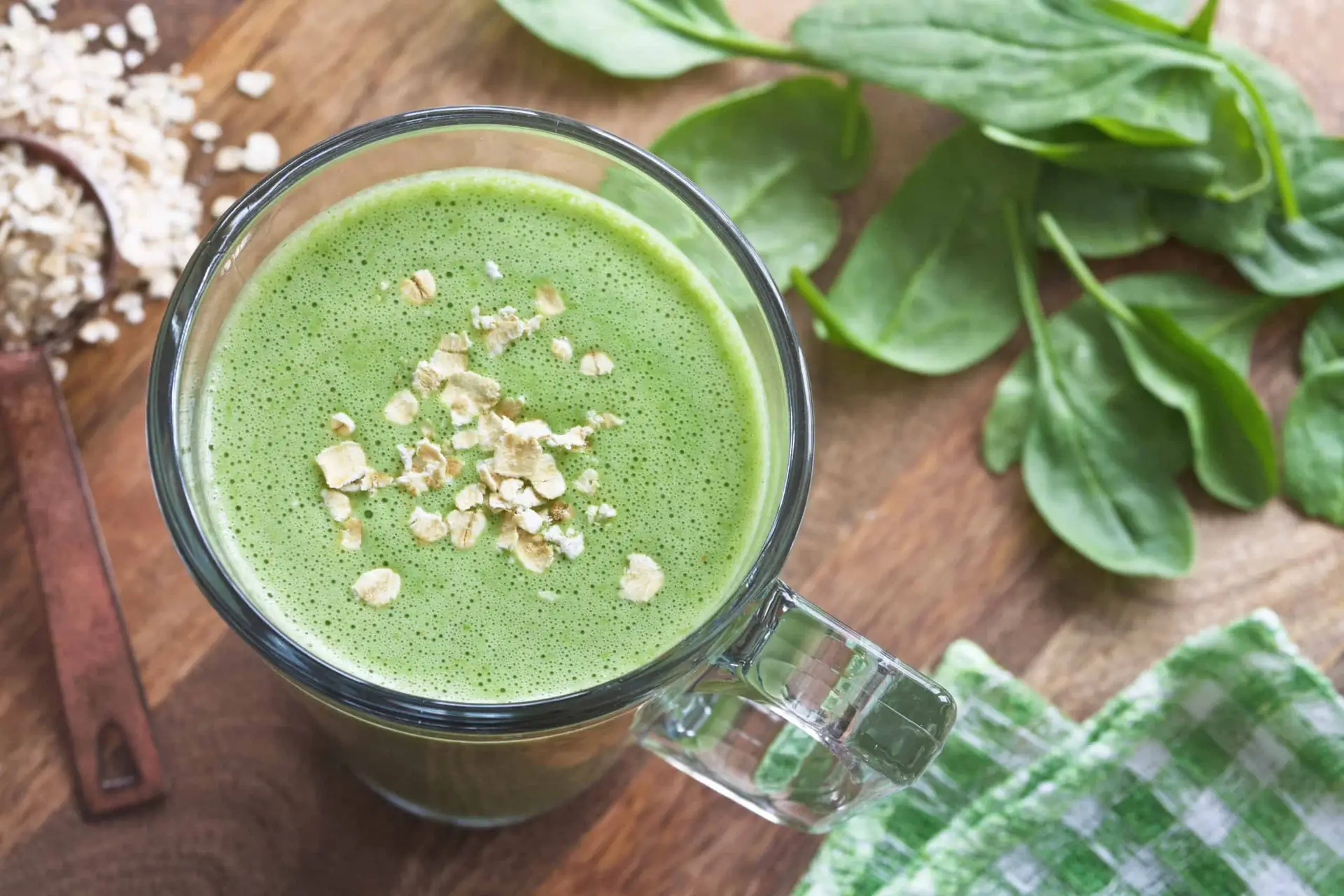
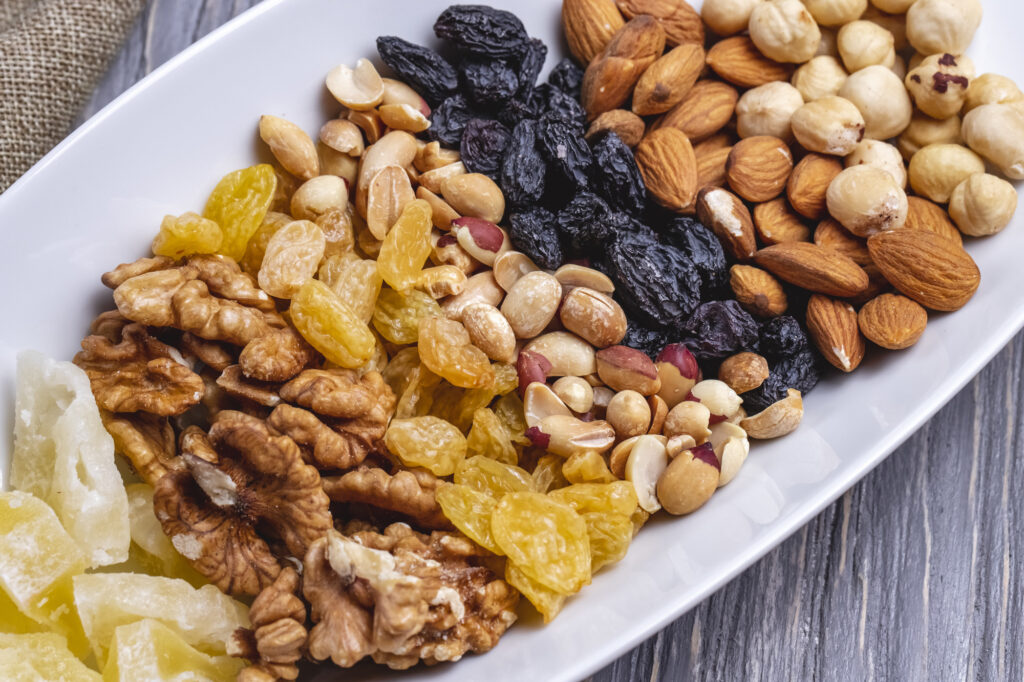
Research indicates that certain nutrients can boost your chances of catching more zzzs. These nutrients include magnesium, tryptophan, and melatonin. Additionally, foods high in protein (a macronutrient) or fiber are also considered beneficial for helping you nod off at night. Of course, there are no magical sleep foods, but there are options that are rich in those sleep-supporting nutrients. Incorporating them into your evening meal or a snack prior to bed (if needed) might help you count fewer sheep.
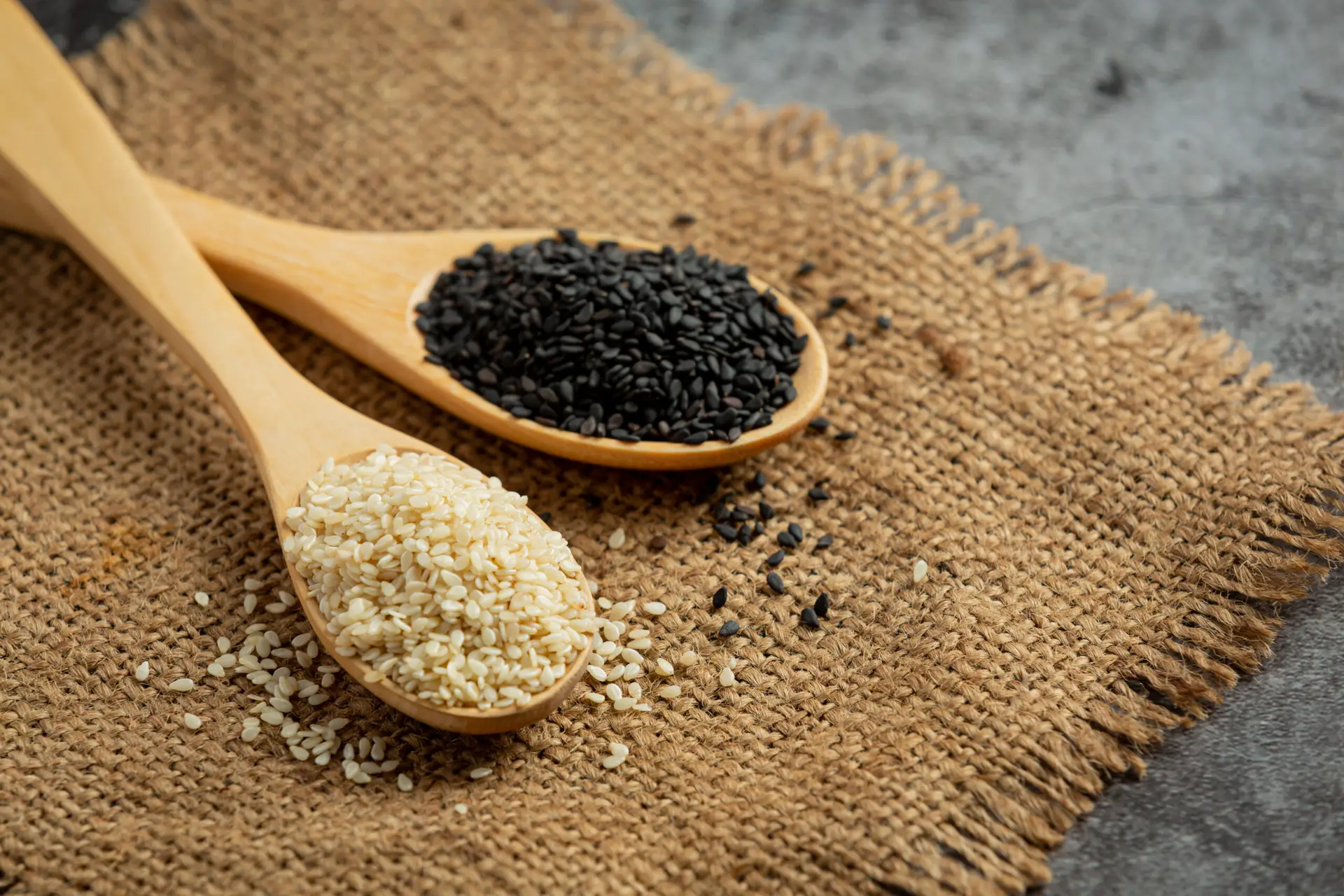
- Magnesium: Nuts, seeds, bananas, avocados, salmon, leafy greens
- Tryptophan: Tofu, soybeans, tuna, pork, turkey, quinoa, oats
- Melatonin: Tart cherries/tart cherry juice, eggs, milk, salmon, sardines, pistachios, almonds, oats
- Fiber: Berries, whole grains, nuts and nut butters, legumes, pulses, popcorn, dried fruit, seeds, high-fiber cereals and breads, avocados, pears
Foods to Avoid for Better Sleep
Staying away from sleep-disrupting foods and ingredients is also effective for increasing the amount and quality of your sleep. Some are obvious, such as those high in caffeine, like regular coffee, caffeinated tea, and energy drinks. But there are many others that may keep you awake at night. Keep in mind that everyone has a different tolerance for foods and ingredients. What keeps someone else up may not impact you at all, so experimentation is necessary to determine your list of no-doze foods. Also, not all of them contribute to disrupted sleep in the same way. Some may impact you physically, making it hard to fall asleep, while others may interrupt sleep. Here are some of the more common culprits:
- Spicy foods
- Citrus fruit and their juices
- Alcohol
- Greasy, fatty foods
- Carbonated beverages
- Fast food