If the post-holiday doldrums have set in, consider cooking up something to make yourself feel better. Shorter winter days and dark, chilly months may prompt us to crave “comfort foods.” Learn which foods and eating styles are associated with a sunnier outlook.
The Connection Is Real
There is growing evidence of the impact that diet has on mental health, and mood is part of that. Physiologically, the process relies on complex communications among a variety of body systems. Our diets figure into the equation prominently—and in ways that we are still learning about. Here are the basics of what we know:
- Brain: Certain areas of the brain (called the limbic system) are in charge of managing some important functions. Emotions, behaviors, memory, and motivation—they’re all driven by the brain. It helps regulate hunger and thirst, too.
- Hormones: Serotonin is a chemical messenger, or neurotransmitter, sometimes called the “feel good” hormone. Mood, sleep, and appetite all involve serotonin. Then there’s dopamine, a neurotransmitter that affects the reward and pleasure centers of our brain. This hormone motivates us to seek food and other pleasures. Low levels of dopamine may contribute to an anxious or “down” mood.
- Gut: The digestive system oversees how our food breaks down into nutrients and absorbs. It’s also home to the bacteria that produce serotonin. Lots of “talk” between the gut and the brain takes place along what’s known as the gut-brain axis. And this communication provides a link between the cognitive and emotional centers of the brain and the digestive system.
Eating to Support Your Mood
Research suggests that some eating patterns actually support mental health, including mood:
- Eat regularly to keep your energy levels up and your body nourished. Our bodies do best when we don’t let too many hours go between meals. And yes, being “hangry” is a thing—research shows that feeling angry when hungry is a bona fide emotional state!
- Eat during the day, less at night, if possible. When we eat during the daylight hours, we are nourishing our bodies in sync with our natural circadian rhythms. And this may benefit our mental health and mood. One study simulated the eating patterns of night shift workers who eat during daylight hours and also at night. The results showed that nighttime eating increased depression-like moods by approximately 26%.
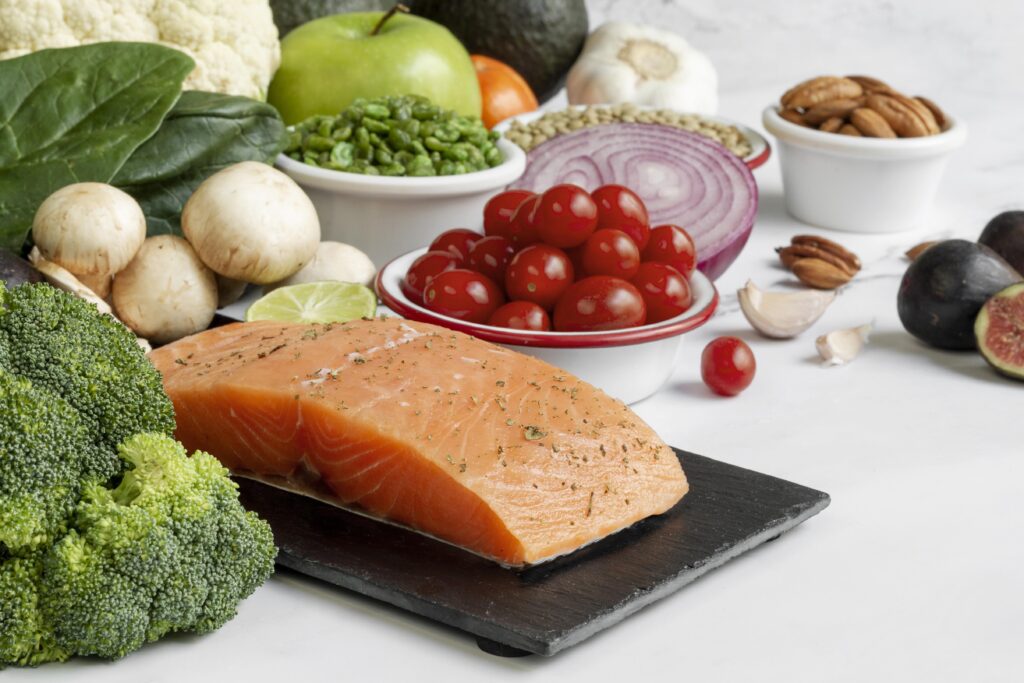
- Follow a Mediterranean-style diet, which is associated with reduced depression (although more research is needed). The Mediterranean diet is largely plant-based, rich in fruits, vegetables, healthy fats, fish, legumes, and nuts. This style of eating also emphasizes relaxed meals eaten in the company of others—factors that may contribute to a happier disposition.
Are There Foods that Increase Serotonin and Dopamine?
Low levels of serotonin are associated with depression and other mental health conditions. Thankfully, there are dietary moves you can make to help support your serotonin levels. Since serotonin is made from the essential amino acid tryptophan, eating foods that contain tryptophan may increase serotonin production. However, this isn’t an easy conversion for the body. There is a transport system for amino acids to the brain. Because tryptophan is the least abundant amino acid in protein foods, it’s low on the list for transport. Other amino acids get priority transport. For this reason, getting tryptophan from lower-protein foods might actually work better at boosting brain levels of serotonin. Some lower-protein options include:
- Seeds (sesame, sunflower, pumpkin)
- Nuts (tree nuts and peanuts)
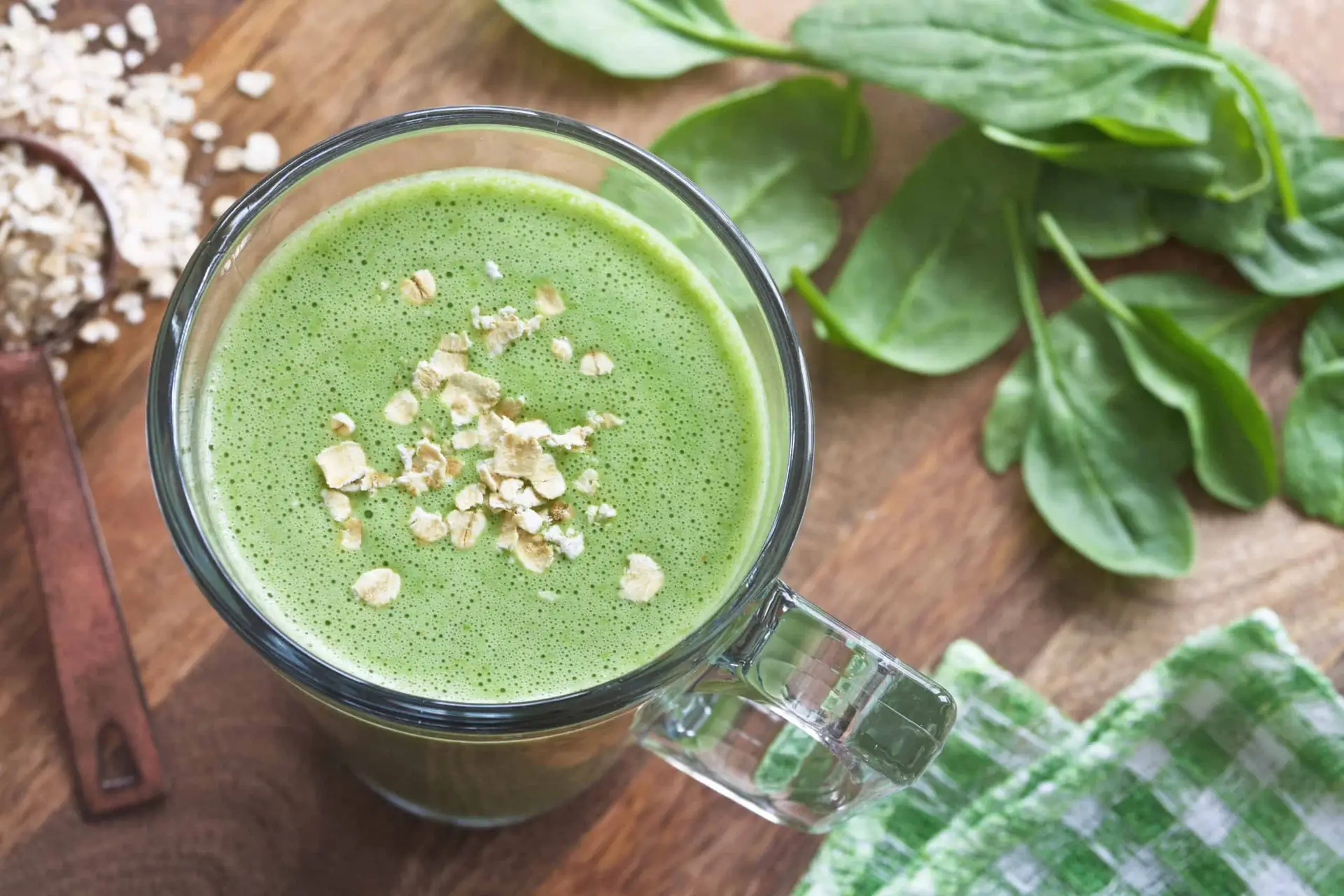
- Oats
- Soybeans
Dairy milk can also be a promising option for serotonin production. And finally, exercise and exposure to sunlight (or light therapy) can increase serotonin levels. In fact, they are likely more effective than food to do so.
You can also support dopamine production through diet. Protein foods in general provide tyrosine and phenylalanine (the amino acid building blocks of dopamine). And, lucky for us, dark chocolate seems to be a mood booster that’s linked with higher dopamine and serotonin levels.