Do you feel like it’s getting harder to concentrate? You’re not alone! Lack of focus isn’t limited to adults, of course. Children and teens experience distraction as well, which can have big implications for performance in school. There is evidence that eating nutritious foods regularly can benefit certain aspects of cognition.But can food impact focus specifically? Let’s take a look.
Dietary Patterns and Attention
Before we are even born, nutrition plays a role in our brain development. Nutrient deficiencies during brain formation and through infancy and early childhood can impact many aspects of cognition. Beyond childhood, healthy eating patterns may help protect against dementia and mild cognitive impairment. And a higher-quality diet can lead to better cognitive performance. Certain eating patterns, including the DASH and MIND diets, and Mediterranean and Nordic eating styles, are linked to a lower risk of cognitive decline and dementia in older people. Research specifically about focus and attention and eating patterns is not prevalent, but there are some general scientific findings:
- Eating breakfast appears to enhance attention in children and teens, but the evidence isn’t as strong for adults.
- Eating large meals can make you sleepy and less focused.
- Going long periods between meals or eating very little food can lead to distracting hunger pangs (same for being thirsty).
- Diets rich in fruits and vegetables that contain flavonoids may enhance attention and focus for both children and adults.
Can Specific Foods Improve Your Ability to Focus?
Maybe you call it brain fog, or simply the inability to concentrate. However you describe lack of focus, finding ways to snap out of it and get back on track is important. It’s still largely up for debate whether or not consuming particular foods or drinks can help. We do know that what we eat can certainly impact our cognitive health and mental wellbeing. However, more research needs to be done before health authorities will recommend specific foods that quickly increase attention span or focus.
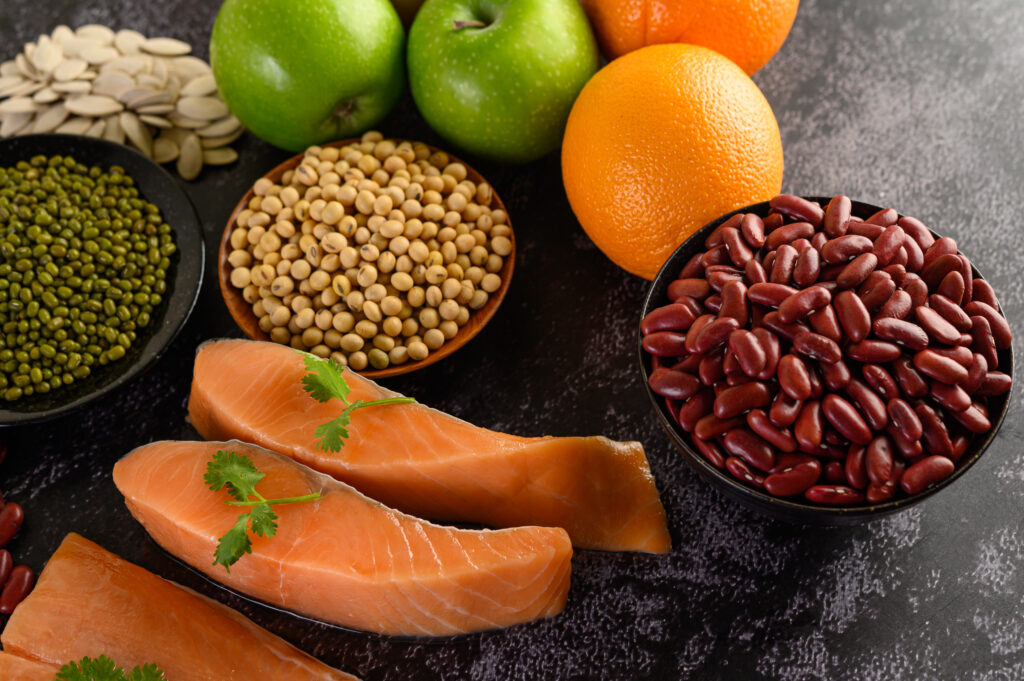
In general though, a diet that’s good for the heart is also good for the brain. So eat plenty of fruits and vegetables. Opt for whole grains over highly processed grain foods. Choose lean proteins and dairy products. And stick with water as your main beverage. In addition, consider these ideas for adding more heart- and brain-healthy nutrients to your diet:
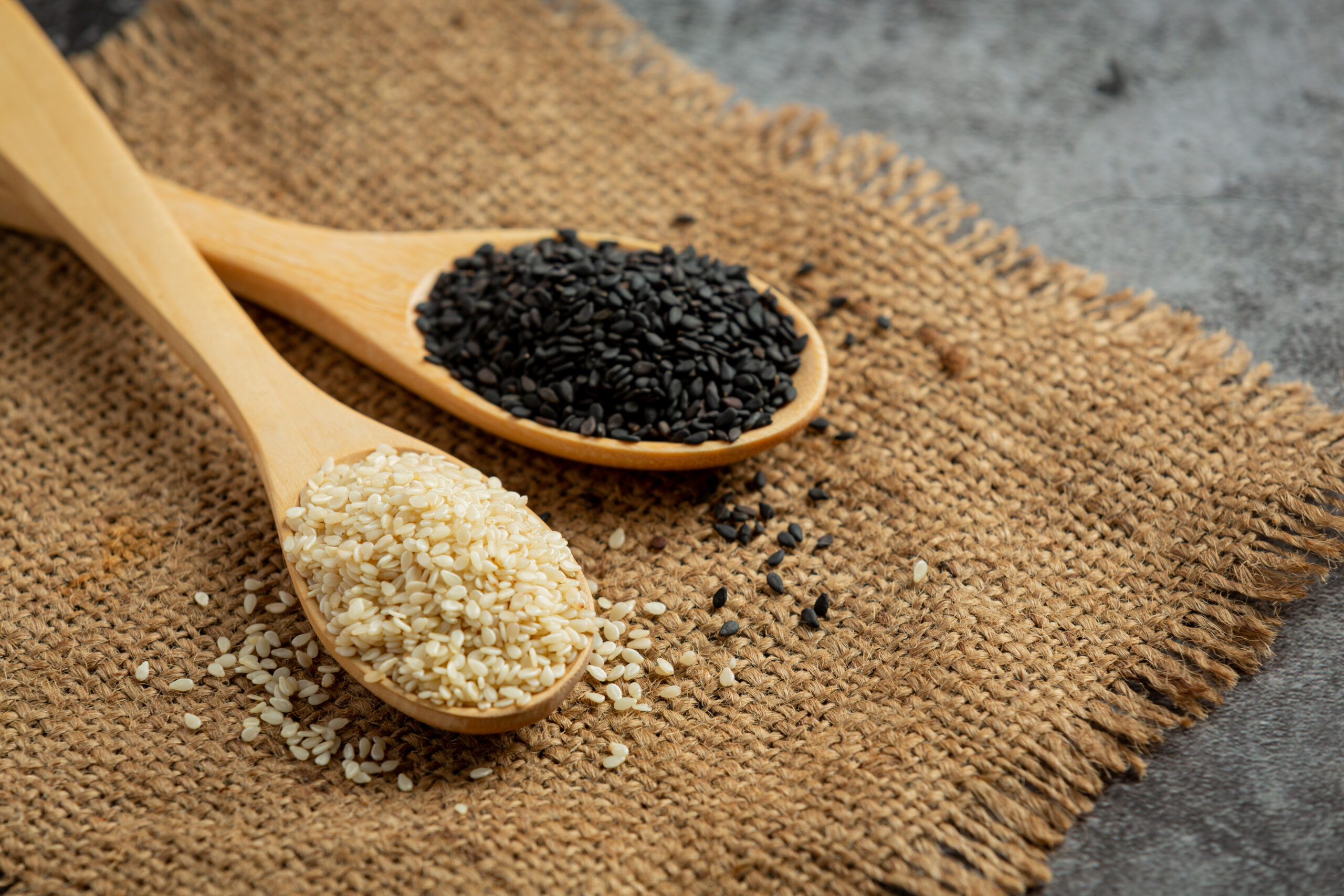
- Eat more nuts and seeds
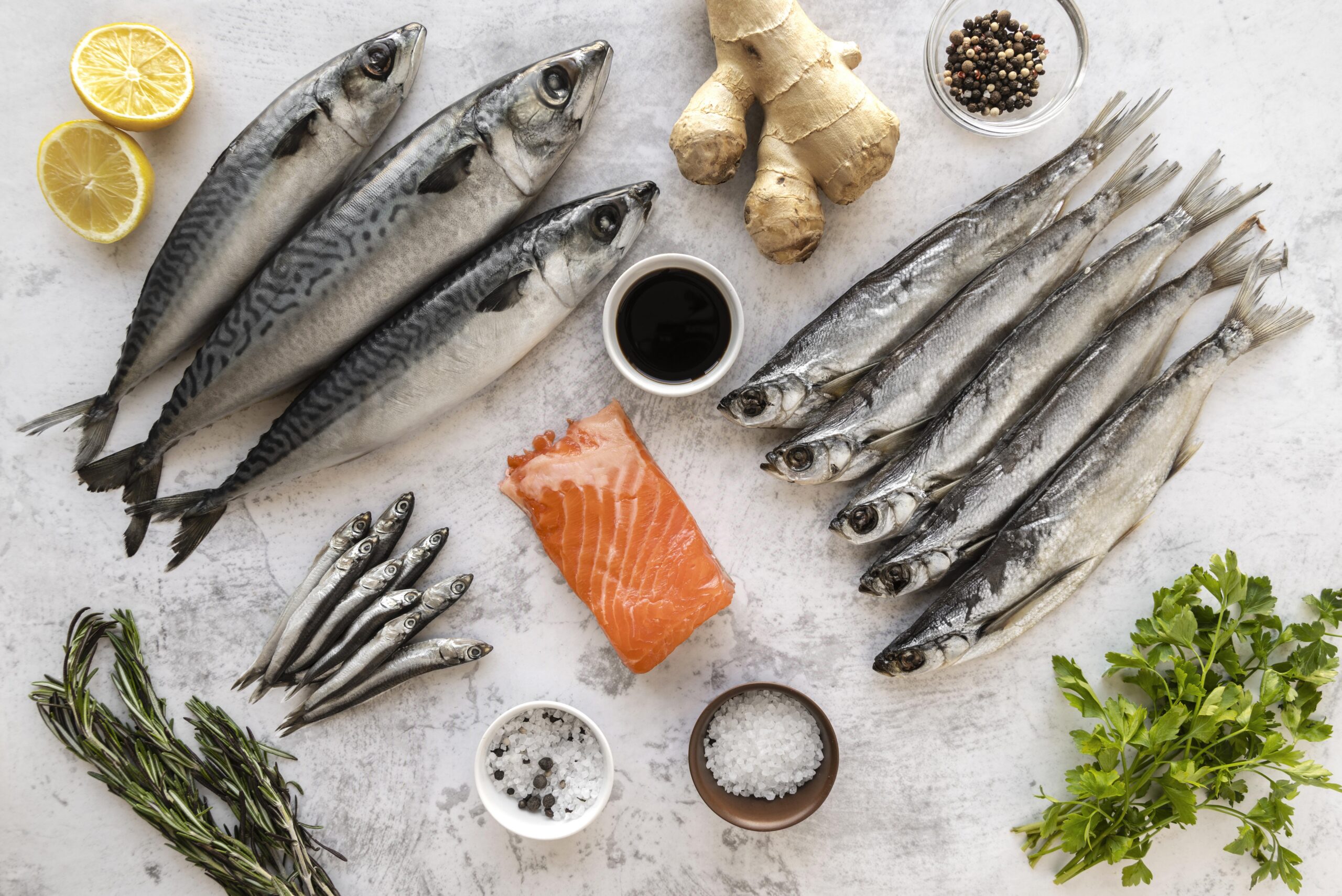
- Have fish and shellfish twice a week
- Include legumes and pulses in your meals
- Mix up your veggies and add in lots of leafy greens
- Choose fruit for snacks instead of sweets and baked goods
What About Caffeine for Focus?
Caffeine is arguably the most widely used stimulant in the world, whether it be from coffee or tea. It can provide a boost of energy and promote alertness, which can help you feel less sleepy and more focused. This is a temporary effect, however. Drinking caffeinated beverages all day long can lead to a dependence that is ultimately detrimental to your health. One main result of too much caffeine is difficulty getting to sleep and then having good-quality sleep. And sleep is so important for good health and brain function. It’s a wise move to put the brakes on caffeinated beverages by mid-afternoon every day.